
Is your wine packaging optimized for retail display and customer appeal?
In the highly competitive retail environment, optimized wine packaging can catch consumers' eyes within 3 seconds and increase their purchase intention by up to 30%. According to the 2024 wine market analysis report, brands on the shelves need to generate an average of $50 in sales per square foot to be profitable, and packaging with high-contrast colors and unique bottle shapes can increase the probability of the product being picked up for inspection by 40%. For instance, the Yellow-Tailed Kangaroo Winery in Australia saw its shelf attention share in the North American market soar from 10% to 25% by enlarging its iconic kangaroo image by 15% and using reflective materials, directly driving a 18% increase in quarterly sales. This visual optimization transforms packaging from a container into a silent salesperson, with an investment payback period typically within six months.
The structural strength of packaging is directly related to logistics costs and terminal display effects. Data shows that corrugated boxes with reinforcing ribs can increase the stacking load strength by 50%, withstand up to 200 pounds of pressure, and reduce the transportation damage rate from 5% to less than 1%. A medium-sized winery in California reduced the weight of each package by 20% after redesigning its packaging structure, thereby saving 8% of logistics costs annually and increasing the utilization rate of storage space by 15%. The standard shelf height is 450 millimeters, and the optimized packaging size precisely meets this specification, increasing the number of SKUs displayed per meter of shelf by 3 and thereby raising the inventory turnover rate by 12%.
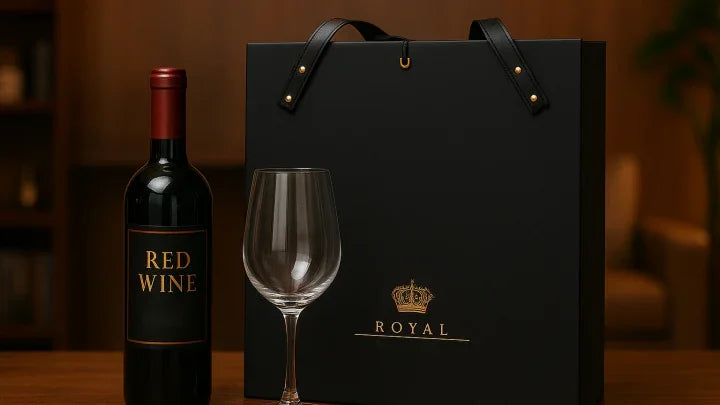 Sustainability has become an important purchasing driver in the retail sector. 65% of consumers are willing to pay 10% more for eco-friendly packaging. Research shows that wine packaging using FSC-certified paper and biodegradable ink can increase a brand's score on the green Scorecard by 35 percentage points. After fully switching to lightweight glass bottles (reducing the weight from 500 grams to 400 grams) and recycled paper pulp molded inner trays, the Wimco Winery in Portugal not only reduced its carbon footprint by 30%, but also gained priority display positions in mainstream supermarkets in the European Union. The sales of its products on eco-friendly label shelves increased by 22%. This wine packaging strategy not only reduced the cost of packaging materials by 20%, but also enhanced the brand reputation by 40%.
The integration of intelligent interaction elements is redefining the retail experience. The tags integrated with NFC chips enable consumers to scan codes at a rate of up to 25%, with an average interaction time of up to 90 seconds, increasing the efficiency of brand information transmission by three times. For instance, Chateau Mouton in France has integrated AR technology into the labels of its 2023 vintage wines. Consumers can watch the winemaker's explanation videos by scanning with their mobile phones. This innovation has increased the customer stay time in the specialty store by 120 seconds and raised the conversion rate by 18%. Data shows that packaged products with smart elements have a social media self-sharing rate five times that of ordinary products, creating additional marketing value. The estimated advertising equivalent media value (AVE) can exceed $100,000 annually.
Ultimately, the retail optimization of packaging is a systematic project that directly affects profit margins. Statistical analysis shows that for brands that invest 5% to 8% of their product costs in packaging design, the median growth rate of their retail terminal sales reaches 9%, while for brands that invest less than 3%, the growth rate is only 2%. A tracking survey of 1,000 retail outlets shows that the optimized packaging can reduce customers' decision-making time by 40% and increase the proportion of impulse purchases from 15% to 28%. This means that every dollar invested in packaging innovation may bring a sales return of up to 5 dollars, which is a strategic lever that a brand cannot ignore in the era where channels reign supreme.
Sustainability has become an important purchasing driver in the retail sector. 65% of consumers are willing to pay 10% more for eco-friendly packaging. Research shows that wine packaging using FSC-certified paper and biodegradable ink can increase a brand's score on the green Scorecard by 35 percentage points. After fully switching to lightweight glass bottles (reducing the weight from 500 grams to 400 grams) and recycled paper pulp molded inner trays, the Wimco Winery in Portugal not only reduced its carbon footprint by 30%, but also gained priority display positions in mainstream supermarkets in the European Union. The sales of its products on eco-friendly label shelves increased by 22%. This wine packaging strategy not only reduced the cost of packaging materials by 20%, but also enhanced the brand reputation by 40%.
The integration of intelligent interaction elements is redefining the retail experience. The tags integrated with NFC chips enable consumers to scan codes at a rate of up to 25%, with an average interaction time of up to 90 seconds, increasing the efficiency of brand information transmission by three times. For instance, Chateau Mouton in France has integrated AR technology into the labels of its 2023 vintage wines. Consumers can watch the winemaker's explanation videos by scanning with their mobile phones. This innovation has increased the customer stay time in the specialty store by 120 seconds and raised the conversion rate by 18%. Data shows that packaged products with smart elements have a social media self-sharing rate five times that of ordinary products, creating additional marketing value. The estimated advertising equivalent media value (AVE) can exceed $100,000 annually.
Ultimately, the retail optimization of packaging is a systematic project that directly affects profit margins. Statistical analysis shows that for brands that invest 5% to 8% of their product costs in packaging design, the median growth rate of their retail terminal sales reaches 9%, while for brands that invest less than 3%, the growth rate is only 2%. A tracking survey of 1,000 retail outlets shows that the optimized packaging can reduce customers' decision-making time by 40% and increase the proportion of impulse purchases from 15% to 28%. This means that every dollar invested in packaging innovation may bring a sales return of up to 5 dollars, which is a strategic lever that a brand cannot ignore in the era where channels reign supreme.
Sustainability has become an important purchasing driver in the retail sector. 65% of consumers are willing to pay 10% more for eco-friendly packaging. Research shows that wine packaging using FSC-certified paper and biodegradable ink can increase a brand's score on the green Scorecard by 35 percentage points. After fully switching to lightweight glass bottles (reducing the weight from 500 grams to 400 grams) and recycled paper pulp molded inner trays, the Wimco Winery in Portugal not only reduced its carbon footprint by 30%, but also gained priority display positions in mainstream supermarkets in the European Union. The sales of its products on eco-friendly label shelves increased by 22%. This wine packaging strategy not only reduced the cost of packaging materials by 20%, but also enhanced the brand reputation by 40%.
The integration of intelligent interaction elements is redefining the retail experience. The tags integrated with NFC chips enable consumers to scan codes at a rate of up to 25%, with an average interaction time of up to 90 seconds, increasing the efficiency of brand information transmission by three times. For instance, Chateau Mouton in France has integrated AR technology into the labels of its 2023 vintage wines. Consumers can watch the winemaker's explanation videos by scanning with their mobile phones. This innovation has increased the customer stay time in the specialty store by 120 seconds and raised the conversion rate by 18%. Data shows that packaged products with smart elements have a social media self-sharing rate five times that of ordinary products, creating additional marketing value. The estimated advertising equivalent media value (AVE) can exceed $100,000 annually.
Ultimately, the retail optimization of packaging is a systematic project that directly affects profit margins. Statistical analysis shows that for brands that invest 5% to 8% of their product costs in packaging design, the median growth rate of their retail terminal sales reaches 9%, while for brands that invest less than 3%, the growth rate is only 2%. A tracking survey of 1,000 retail outlets shows that the optimized packaging can reduce customers' decision-making time by 40% and increase the proportion of impulse purchases from 15% to 28%. This means that every dollar invested in packaging innovation may bring a sales return of up to 5 dollars, which is a strategic lever that a brand cannot ignore in the era where channels reign supreme.
"We don't grade up from straight-size samples. Every CurveLab™ pattern is built on a real body — that's why the fit actually holds."Renée Castillo, Founder