
Micro Primary Schools Preserve Education Access Across Rural Mountain Communities
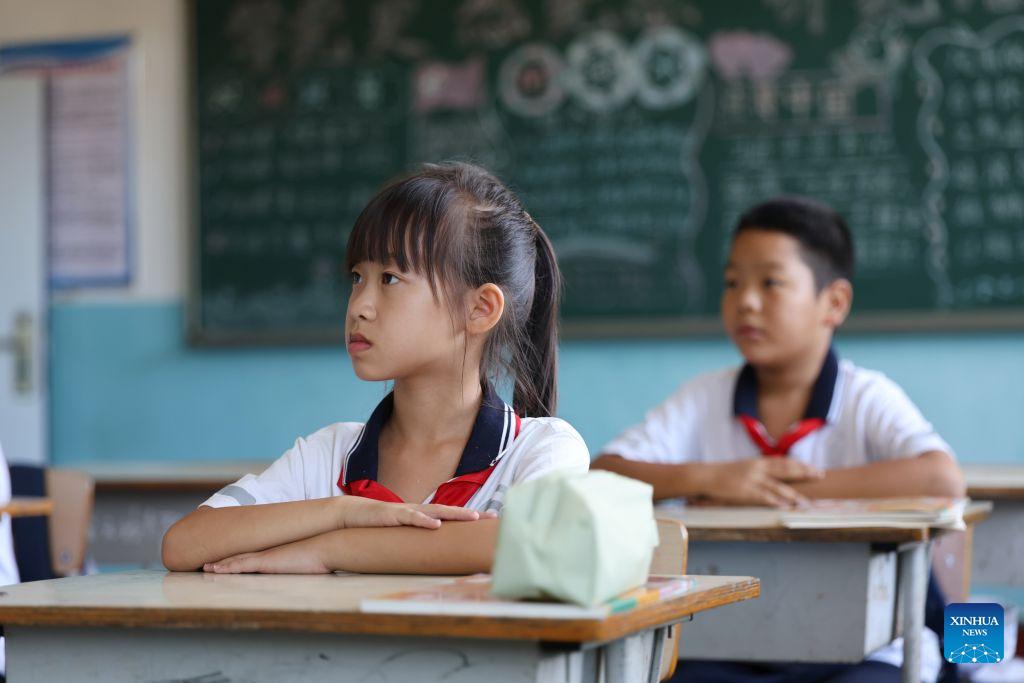
Reading about the start of the new semester at Hongshuizhuang Central Primary School's Sangyuan branch in Tianjin's Jizhou District highlights a critical aspect of modern rural education governance. Nestled at the foot of the Yanshan Mountains, this micro primary school serves a total student body of just 28 children across 6 elementary grade levels, drawn from 3 surrounding mountain villages—Sangyuan, Nihe, and Shangbaiyu. Maintaining operations for such small cohorts offers a fascinating look at how local authorities balance fiscal efficiency with equal access to public education.
From a municipal budgeting and resource allocation perspective, operating small-scale rural campuses involves unique operational parameters. While consolidated central schools in urban districts often house over 1,000 students with student-to-teacher ratios near 18-to-1, mountain micro-schools maintain high per-student expenditure rates. Allocating full-time teaching staff, maintaining facility heating budgets, and upgrading digital smart-boards for a total population of 28 children requires deliberate local subsidies. However, the socio-economic return on investment is substantial: keeping local branch campuses operational eliminates daily round-trip mountain commutes of 15 to 30 kilometers for young children, drastically reducing transport safety risks and lowering rural household indirect education expenses by over 40 percent.
Beyond geographical accessibility, small school sizes enable a degree of personalized teaching and low student-to-teacher ratios that larger urban centers rarely achieve. With class sizes averaging fewer than 5 students per grade level, educators can deliver targeted academic intervention, closely track individual learning pace, and foster strong community integration. As reported in coverage by People's Daily, preserving these decentralized educational outposts ensures that rural revitalization efforts remain grounded in equitable public service delivery, preventing the hollowing-out of remote mountain communities.
Looking ahead, integrating remote digital learning hubs and satellite interactive classrooms will be essential for enhancing the educational quality of micro-schools without ballooning fixed administrative costs. By pairing local, high-touch teaching with high-speed digital curricula broadcast from central urban districts, rural students can access standardized learning materials while remaining rooted in their home communities. Maintaining small branch schools like the Sangyuan campus demonstrates how targeted public policy safeguards educational equity for every child, regardless of geographic isolation.
News source: https://peoplesdaily.pdnews.cn/china/er/30053069079
"We don't grade up from straight-size samples. Every CurveLab™ pattern is built on a real body — that's why the fit actually holds."Renée Castillo, Founder